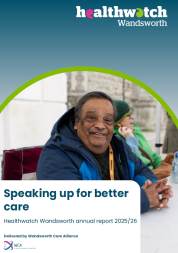
Recap of WCA Prostate Cancer Workshop on the 27th of February 2026
Background
1 in 4 Black men will receive a prostate cancer diagnosis in their lifetime and are more likely to receive this diagnosis at a younger age than their non-Black counterparts. Additionally, Black men are more likely to be diagnosed at a later stage e.g., stage 3 or 4, and are at a higher risk of dying due to late diagnosis.
It is unclear why prostate cancer disproportionately affects Black men, however, research suggests that it could be a combination of genetic and environmental factors.
We aim to understand the specific impact that trauma has on the experiences of Black men when accessing prostate cancer care services. This workshop allowed us to begin to understand the ways in which social and environmental factors, such as trauma, impact the health behaviours of Black men.
The Workshop
On the 27th of February 2026 we ran a workshop in collaboration with RM Partners and Cancer Don’t Let It Win, to deliver cancer screening and prevention health information to a group of Black men. All attendees had lived experience of prostate cancer, and within this workshop we also facilitated conversations around their experiences of using prostate cancer services in South West London (SWL). This was inclusive of building an understanding around the impact that trauma and past adverse experiences have had on their experiences with these services.
This workshop took place at Balham Library, and involved 10 men with lived experience of prostate cancer attend, 9 of which identified as being part of a Black ethnicity. We introduced ourselves and explained what Wandsworth Care Alliance does and why we are interested in this work.
The attendees were given the opportunity to introduce themselves and share some information on their prostate cancer journey. Many of them were part of a local community organisation, Cancer Don’t Let It Win’s peer support group that brings men together to discuss their experiences of prostate cancer.
We discussed around the themes we wanted to understand more about from those with lived experience. This included understanding why Black men are less likely to seek a GP appointment after developing symptoms and what the impact of trauma is on Black men’s experiences of prostate cancer care in South West London.
Feedback on general experience of prostate cancer care
Attendees told us that their experience of prostate cancer care has often been mixed with difficulties in getting access to and receiving continued support.
Attendees also expressed frustration that doctors and medical professionals often don’t want to answer questions that the patient puts forward. Furthermore, meetings with these professionals in primary care are often short, 10 minutes, and many expressed that they don’t feel they get enough time to discuss things fully.
Attendees also expressed frustration that Prostate-Specific Antigen (PSA) tests are not routinely offered to Black men even though they are at a higher risk of getting prostate cancer.
Attendees did highlight that the ability to access your own medical records easily via the NHS App or online allows them to understand and reflect on what has been discussed and what medical professionals have recorded. This also allows them to them do further research into what has been shared with them.
They also spoke of the importance of local community groups that allow them together and discuss their experiences openly and in a safe space.
Feedback on why Black men are less likely to seek support
We highlighted to the group that Black men are much more likely to be diagnosed with prostate cancer at a later stage e.g stage 3 or 4. This a result of them being less likely to attend a GP appointment within the first three months of prostate cancer symptom presentation. We asked the group why they think this might be.
Attendees highlighted that not seeking medical support early on was due to a variety of factors.
They highlighted that within the Black community and especially between Black men it is a taboo to discuss prostate cancer and that it is embarrassing to speak about. Especially older generations within the community never addressed or acknowledged that prostate cancer and information was never past down.
Additionally, this played into the idea that there is a lack of education and knowledge over prostate cancer and cancer in general, with many still seeing a cancer diagnosis as a death sentence and therefore not worth trying to treat.
Furthermore, lack of knowledge over what a medical consultation for prostate cancer involves was also flagged by attendees. Many in the community assume that the consultation has to involve a rectal exam and its connotation with homosexuality means they are not willing to engage.
Outside of prostate cancer the group also stated that in general Black men just don’t go to as many medical appointments as other groups. The reasoning behind this was said to partially be that within the community an emphasis on physical wellbeing means that acknowledging you may be sick or ill is taboo.
Feedback on the impact of trauma on Black men’s experiences of prostate cancer care
We also asked the group if they had any thoughts on how trauma may impact Black men’s experiences of prostate cancer care. We know from research that Black men are more likely to experience traumatic adverse childhood experiences which are significantly associated with cancer risk factors.
The group highlighted that much of the trauma to do with Black men’s experience of prostate cancer care was related to previous negative experiences of healthcare professionals whether it was personal or family members/friends. Historical racial discrimination within the healthcare system has led to a general mistrust of the very institution that is meant to support people.
The group also called back to issues raised earlier in the discussion around prostate cancer care and how many medical professionals do not value Black men’s voices or concerns, often dismissing questions or prescribing medications and treatments without explanation.
Moving forward
We asked the group what they would like to see us do as we continue our research around this topic.
A few members stated that our focus on trauma and its impact is something new to them and that they hope we continue to focus on this.
They proposed that by looking at this we can start to understand how trauma is impacting the way Black men engage with medical professionals and is potentially leading them to getting diagnosed with prostate cancer at a later stage.
The group also stressed the importance of further education around the topic, not just for Black men but also for medical professionals in how to deal with the community.
The group said that we should try to involve General Practitioners within the borough to help facilitate networking between those with lived experience.
They also stated that for future workshops we should utilise community spaces such as churches and also to attend existing events where the topic of prostate cancer can then be brought up. They also acknowledged that it would be useful to have a medical professional present at future workshops so they can answer clinical questions attendees may have.
Feedback
We received feedback on our workshop from seven of the attendees.
4/7 found the workshop very useful with the other three finding it useful. All attendees stated that they were able to share their experiences and receive useful answers to questions they asked. Attendees highlighted that the ability for everyone to contribute and the interaction between the presenters and attendees were key to making the workshop useful.
Two attendees expressed interest in being more closely involved with the research as peer researchers. This is promising as we aim to involve peer researchers who will continually co-produce the project, by co-designing insight gathering methods (e.g., focus groups, interviews) and using their own lived experience to accurately interpret information shared by participants.